Exploring Immersive Landscapes: The Rise of Open World Adventure Games in Modern Gaming
In recent years, the gaming landscape has undergone a seismic shift, a change largely propelled by the advent of open world games. These games offer players vast, immersive environments to explore, filled with possibilities and adventures that seem to stretch indefinitely. But what exactly drives the popularity and development of these titles? This article delves into the rise of open world adventure games, examining their appeal, the technology behind them, and what sets them apart in the competitive gaming market.
The Allure of Open World Games
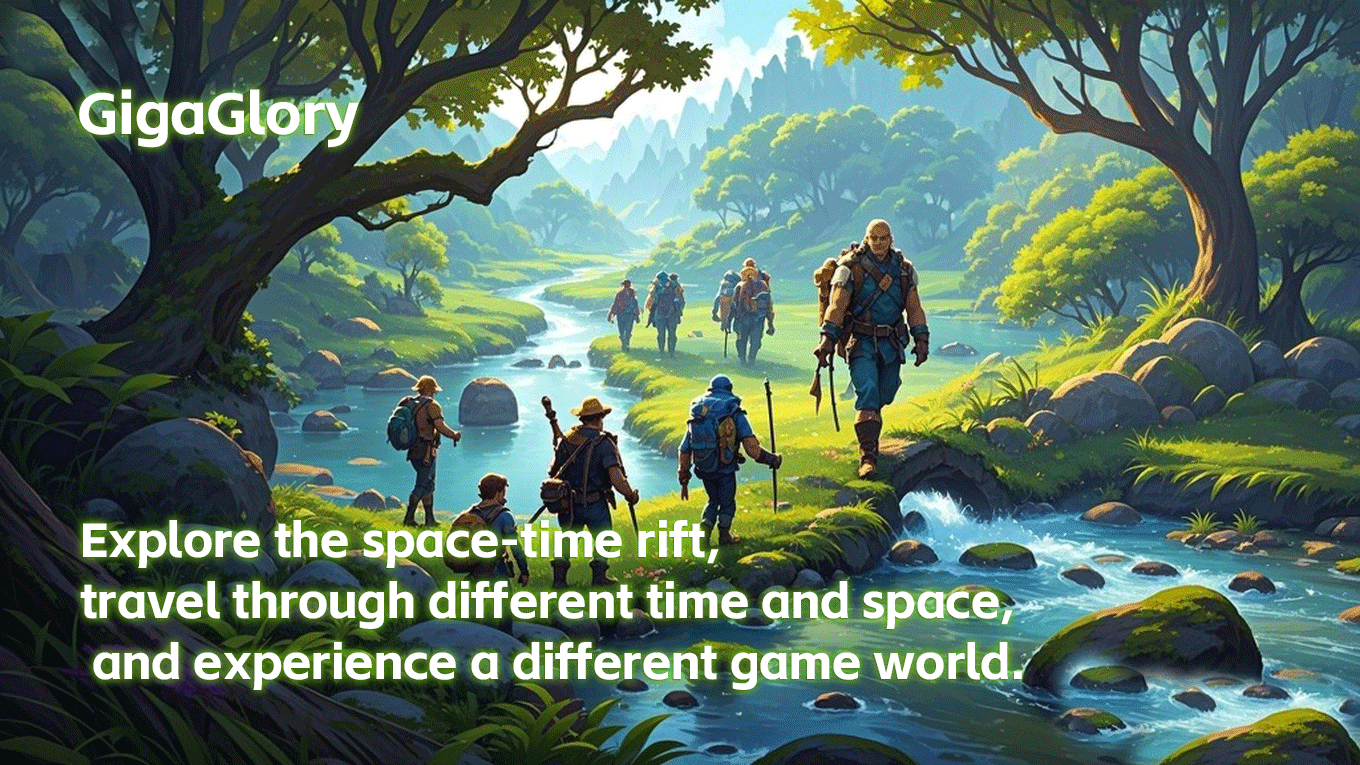
Open world games give players a sense of freedom unlike any other. The expansive landscapes and rich, dynamic settings allow for exploration and adventure that is player-driven. Here are some key factors as to why these games attract millions:
- Freedom of Exploration: Players can navigate these worlds at their own pace, making discoveries on their terms.
- Diverse Gameplay: Incorporating elements from multiple genres, these games offer various tasks such as combat, crafting, and puzzle-solving.
- Rich Storytelling: Many open world games deliver engaging narratives, allowing players to become part of epic tales.
The Golden Era of Adventure Games
Adventure games have long been a staple in the gaming community. With the rise of open world environments, these games have evolved significantly. Titles like "The Legend of Zelda: Breath of the Wild" and "Red Dead Redemption 2" exemplify this trend, showcasing how modern technology and storytelling can elevate the gaming experience.
Table: Evolution of Adventure Games
| Game Title | Release Year | Key Features |
|---|---|---|
| The Legend of Zelda: Breath of the Wild | 2017 | Vast open world, physics-based gameplay |
| Red Dead Redemption 2 | 2018 | Rich storytelling, detailed environments |
Technological Innovations Fueling Open Worlds
Open world games wouldn't be possible without advances in technology. Breakthroughs in graphics, artificial intelligence, and game engines have paved the way for more immersive experiences:
- Graphics Engines: The development of powerful graphics engines allows for breathtaking landscapes and realistic character designs.
- AI Integration: AI enhances interactions with non-playable characters (NPCs), making worlds feel alive.
- Dynamic Environments: Weather changes and day-night cycles add layers of realism to the gaming experience.
A Community of Adventurers
The community surrounding open world adventure games plays a significant role in their longevity and appeal. Players often share their experiences, tips, and tricks, fostering a sense of belonging. Online forums, social media, and video platforms have allowed for vibrant discussions and creativity:
- Player Mods: Many games support mods, enabling players to create their own content.
- Streaming and Content Creation: Live-streaming gameplay has popularized many titles, challenging players to push their limits.
- Fan Art and Lore: Engaged communities often create rich fan-made content, further expanding the universes of these games.
FAQ: Common Questions About Open World Adventure Games
Q1: What defines an open world game?
A: An open world game allows players to explore its world freely, usually featuring a large map filled with side quests, collectibles, and more.
Q2: Are open world games only adventure games?
A: No, while many open world games are adventure-focused, they can span multiple genres, including RPGs, action games, and simulation games.
Q3: What are some popular open world games today?
A: Games like "The Witcher 3," "GTA V," and "Assassin's Creed Valhalla" continue to dominate the market.
The Role of Games Troops: Clash of Clans in Open World Gaming
While Clash of Clans is not a traditional open world game, it embodies key elements that have shaped the genre. The game allows players to build their own village, strategize attacks, and engage with a larger community—a foundational aspect of many adventure games.
Delta Force System Requirements: Understanding Game Limitations
For players eager to dive into tactical plays and heaps of adventure, understanding system requirements is crucial. Delta Force, known for its immersive gameplay, requires varying setups based on the version. Keeping an eye on system requirements helps gamers ensure they have the right gear to enjoy their adventures without hitches.
Conclusion: The Future of Open World Adventure Gaming
The evolution of open world adventure games paints a bright future for the gaming landscape. With continued technological advancements and an engaged community, we can expect more immersive experiences that further redefine storytelling and interactions within the digital realm. This rising genre not only captivates eager gamers but has also paved the way for future innovations that will undoubtedly enhance gameplay, making every adventure feel unprecedented and unique.