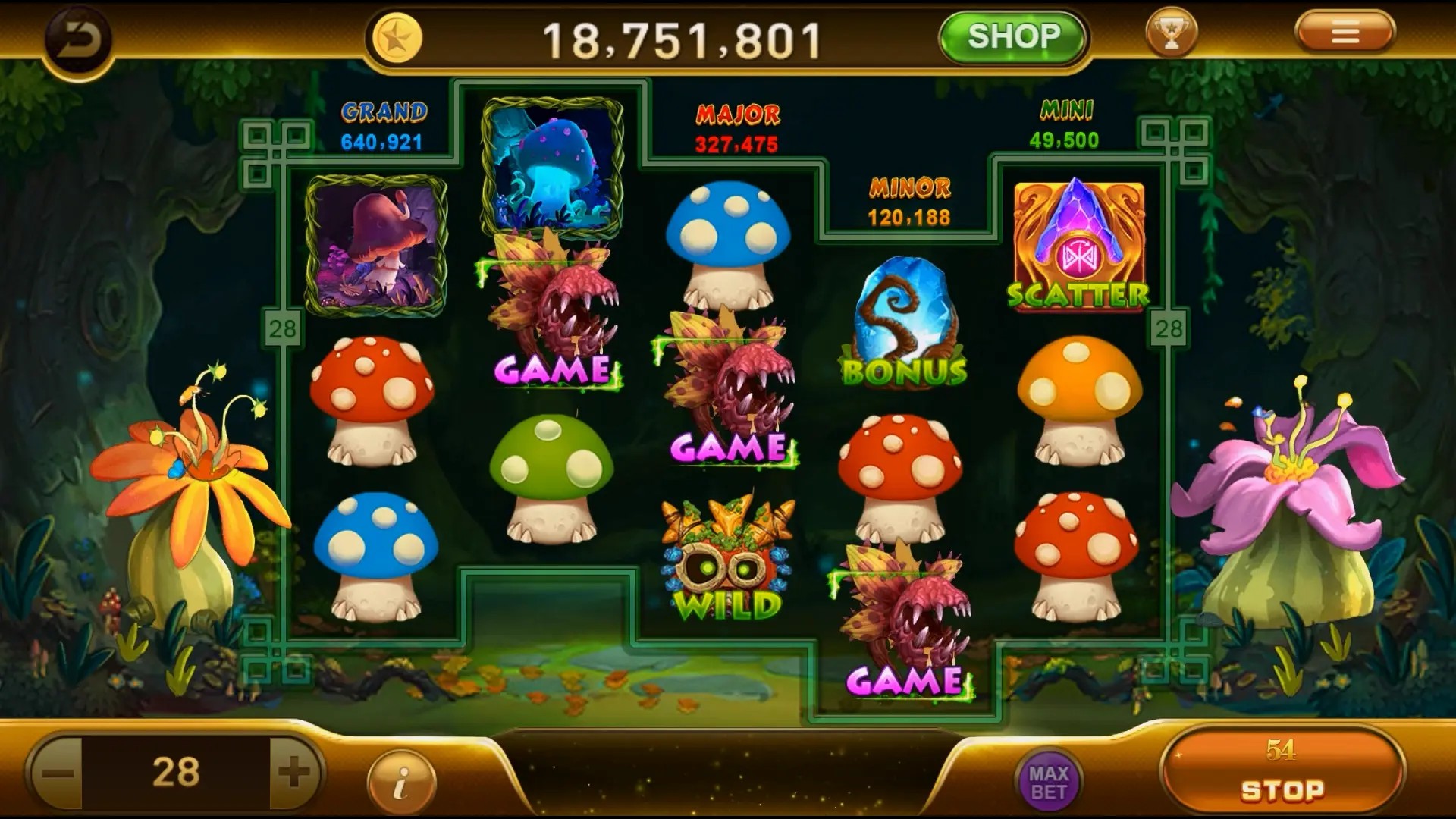
The Evolution of Game Development
Once confined to complex plugins and native apps, gaming has undergone a radical transformation. Enter the era of lightweight HTML5—capable of running dynamic content across multiple platforms without installations or dependencies. This shift reflects broader trends in tech and entertainment convergence, where accessibility meets performance.
| Metric | Before HTML5 (Flash) | In Era HTML5 Gaming | |
|---|---|---|---|
| Cross Platform Access | Low compatibility especially on touch devices | Hight with web standards across all platforms | |
| 1 | Download Size | Bulky file downloads often needed before playing | Streamed loading with zero install friction |
| 2 | Performance Quality | Inconsistent rendering between browsers and hardware | Predictive optimization based on viewport and input |
| 3 | Update Flexibility | Major overhauls requiring client patches each iteration | Live hot-patch updates instantly rolled across userbase |
Why HTML5 games Matter for Gamers?
Rapid deployment translates to quicker gameplay access—a crucial element in maintaining attention spans in a world of endless digital stimulation. Consider this: while traditional mobile titles demand download-and-install rituals before any interaction, a single link clicked launches your game directly into playability. For busy players navigating fragmented downtime throughout the day—between transit, waiting for appointments, brief breaks from work—this distinction matters immensely. But immediacy is only one piece of the puzzle. Equally compelling is how HTML5 opens new frontiers for creativity through adaptive storytelling techniques not easily achievable elsewhere at scale.
- Firebase integrations enable seamless multi-player lobbies hosted within CMS structures
- Ethernet-based audio mixing layers browser capabilities to simulate live event interconnects
- In-engine ad mediation allows monetized experiences baked directly during dev pipelines vs forced mid-break transitions
- Dynamic lighting calculators optimize GPU workload in lower-powered notebooks common among student gamer cohorts
Imagine crafting a character's story where choices influence plot progression—not merely narrative branching, but dynamically modifying environments, relationships, and even procedural dialogues.
Navigating Niche Innovation: ASMR Beauty Salon Mechanics
An emerging trend blends sensory immersion with interactive role-play. A great example? “asmr beauty salon game." Think beyond basic tap-to-cut scenes found in conventional idle upgrades. We now encounter intricate physics animations mimicking brush pressure against canvas-like facial skin, real-time mic-input responses that react when a player’s virtual voice impacts salon clients emotionally.
Beyond mere gimmicks though lie deliberate design decisions rooted in player neuroscience:
- Late-night gamers experience reduced cortisol spikes through calming background frequencies
- Tapping rhythms match optimal bpm for memory retention cycles
- Voice modulations activate empathy triggers inside medial orbitofrontal cortices
- Subtly shifting lighting follows Circadian curve curves mimimizing melatonin suppression
BUT: Always ensure proper headphone safety guidelines included as default UI options — avoid unintentional sonic distress
| Game Type | Input Modality | Auditory Design Element | Retention Metric (avg min/session) |
|---|---|---|---|
| Bland Casual | Keyboard Only | Stereo Effects | 2.7 |
| Casual + Haptic Enhancements | Finger Gestures / Tactile | ASMR-Embedded Ambiance | 4.5 (↑66%) |
| Narrative Adventure w/ASMR Branching Path | Gaze + Pressure Control | Binaural Story Voices Adaptive per User Stress Levels via Mic Input Recognition | >9.0 |
Mixing Play With Real-Life Experiences
We’ve discussed high-engagement mechanics. How about cross-context relevance?
Idea: Why not sync in-game events with daily offline activities using environmental awareness APIs?
An ASMR-themed spa escape adventure suggests chilled beet borscht smoothie consumption after stressful level segments – based upon ambient office noise readings pulled from laptop mics. Similary suggesting **what foods go with potato salad** isn't just dietary wisdom; It creates memorable brand alignment if timed with post-level completion celebrations.
2. Progressive Engagement Hooks Built-in social hooks & shared progression boards eliminate siloing
3. Modular Sound Systems Support both casual speakers AND studio headset immersion tiers
4. Zero-distribution Barriers Immediate reach via shareable URLs scales engagement faster than native app stores
Future Directions: Beyond Traditional Game Distribution
What happens next? Expect HTML5 frameworks evolving further: - WebGPU standardizations bringing closer metal layer control similar like Metal and Vulkan
– More integrated WebVR pathways enabling browser-hosted 8k immersive canvases via Google Cardboard+ headsets
– AI-driven asset compression optimizing load times while preserving textural richness Ultimately redefining what “gaming" actually constitutes across generations of connected devices. The implications aren't purely for indie devs looking reduce backend costs either—major AAA studios exploring hybrid publishing models too.