Why Clicker Games Are Suddenly Dominating Mobile Screens
If someone told you back in 2021 that by 2025, people around the world, especially in places like Dubai and **Abu Dhabi**, would be obsessed with tapping on their phone screens for hours, most of us wouldn’t believe them. Yet here we are—in 2025—with the quiet revolution of *clicker games*. These deceptively simple apps have managed to sneak their way past heavy-duty multiplayer titles and even traditional RPGs on devices, dominating both casual gamers’ homescreens as well as high engagement metrics globally.
Their power? The ability to let users play effortlessly—literally tap your way to progress—while juggling real-life tasks. No pressure, low stress, and yet strangely addictive? That’s exactly why this subgenre has caught a second (and even a third) wind this year.
A Look Back: How Idle and Clicker Mechanics Began
*Idle and clicker game mechanics are old news in tech time.* In fact, they first became mildly popular way back in the early days of flash browser gameplay during the 2000's. One of the original examples is probably still sitting at the bottom of your Steam account: *Adventure Capitalist*. Then along came cookie-clicking madness known globally as Cookie Clicker, created way back in 2013, giving the genre mainstream awareness beyond forums.
| Year | Prominent Clicker Title(s) | Influence Factor on Gaming |
|---|---|---|
| 2013 | Cookie Clicker | Kicked off widespread interest |
| 2015 | AdVenture Capitalist, Clicker Heroes | Broadened monetization models |
| 2018 | Infinite Tower Climb, My Talking Tom 2 | Ported idle mechanics to mobile success charts |
| 2025 | New Genre Hybrid Apps | Topping global app store charts again |
- Simplicity made these genres appealing early on.
- Monetization strategies evolved rapidly with player habits.
- Mobile adaptation sealed a revival later this decade.
The Secret Formula Behind Today’s Most Downloaded Titles
We’re not seeing just remasters or re-skins here—the new generation of *clicker-driven experiences* integrates surprisingly mature ideas from psychology and behavioral economics into something anyone aged ten to fifty-five can grasp almost instantly. Think variable reward schedules, incremental progression cues… even subtle gamified loops borrowed directly from casino machine logic!
- User feels sense of immediate accomplishment upon every tap / swipe
- Recurring visual/audio cues make it “sticky"—even while minimized in background of daily activity routines
- Casual players start recognizing in-game economies more fluently than earlier generations

(Illustrated chart depicting user satisfaction levels based on game type, showing spikes with each unlock or auto-play upgrade triggered in a click-based idle system.)
Why UAE Gamers in particular Have Warmed To This Trend
This might seem odd initially—if one assumed UAE users preferred flashy console exclusives or ultra-optimized empires on tablet like Clash of Clans’ builder base mini-map—but take a deeper dive:
Laidback lifestyle fits well with low-energy gaming needs.
The average Dubai-based user is used to multitasking between social media streams, productivity apps, streaming, shopping—even during their commute. So an idle game that grows without constant manual input fits right in.Xbox Users Caught Curiously Tapping Too — Unexpected Shift
What’s surprising, according to recent cross-console data reports compiled internally via Xbox Live Analytics Dashboard:- Fifteen percent of surveyed Xbox Game Pass subscribers now keep idle games on their smartphones running actively alongside regular session play
- A full eight point two percentage said that some click-style mechanics improved muscle memory when using controllers on hybrid platform launchers like Microsoft Edge’s Progressive Web Games suite
- Gamers under 30 who use PC-Xbox dual control setup are more inclined to appreciate micro-gesture-based interactions—found natively within top-performing idle apps released post-2023 onwards
The Best ‘Clash Of Clans Builder Base’: A Quick Review Before Moving On…
Now you may wondering, “How does a classic title like Supercell’s *Clash Of Clans* builder base relate to any of this trend?" The answer’s actually fascinating! Let’s consider what makes the builder area tick psychologically: it relies heavily upon slow upgrades that yield massive visual change once unlocked—which mirrors many of the core design ideals behind idle gameplay systems. While *Clash* requires significantly more planning upfront, its newer updates added features such automation of worker movement and auto-construction scheduling. This blurred lines somewhat, offering passive gameplay layers where users could walk away for several hours and still see progress—a move clearly aimed at drawing idle-focused audiences into their main empire simulation format! This kind of convergence between long established franchises and smaller dev-led clicker experiments explains partly how today's hybrid genres continue evolving so swiftly, blending convenience of no-deep-focus-required mechanics alongside rich art styles seen typically only in paid mobile or mid-core titles. But again—we're witnessing a larger shift, beyond any individual brand...So Who is Playing These Clicker-Based Experiences?
Here’s a breakdown of some key user patterns emerging among those regularly engaging idle tap-focused applications: Key Observations From Recent Regional Focus Groups (GCC Region Gamers, March-April Data 2025):- Rewards notification addiction – Some check their progress hourly
- High preference for collectible achievements
- Increased participation when friends compete on live-updating leaderboards within social groups via Messenger + Signal integrations found in certain hit titles of 2025 like *Fruit Tapper XXL*, *Idle Empire Craft*, etc.
Where's the Fun in Waiting For Virtual Crops To Grow Again?? (Because You Don't Actually Have To!) Or Do You…
One of the biggest selling points often misunderstood about modern-day *clicker and idle hybrids* isn't just pure simplicity. It's that underneath those soft graphics hide carefully engineered dopamine drip feeds. Think about it. When something gives positive feedback for repetitive action—you're wired emotionally react—to push again and then maybe again a little faster, just to trigger it quicker! In contrast, the same behavior would get punished fast if applied inside most FPS arena combat scenarios (lag penalties anyone?) but works beautifully within these frictionless loops. They don't ask too much mentally, which is perhaps why they work *better* than ever when life itself gets increasingly complex. As we've moved into another wave of digital overstimulation across job platforms and communication tools... maybe there was never going to be anything better to help disconnect subtly, other than tapping on cartoon chickens endlessly for coin bonuses. And frankly—from our perspective—that doesn't necessarily seem negative either!“It gives my hands something small to do, without overwhelming my thoughts," one test group respondent shared candidly when asked anonymously during a usability study commissioned recently in Riyadh last spring. “Like having tea. Something to do...without thinking too much."
If games offer catharsis—these types appear uniquely poised now to offer micro-doses of calmness through interaction cycles built around repetition. Which—believe it or not—that could be the missing piece for modern users struggling under rising cognitive fatigue.The Financial Potential Behind Minimalist Play Models (That Still Earn Millions)
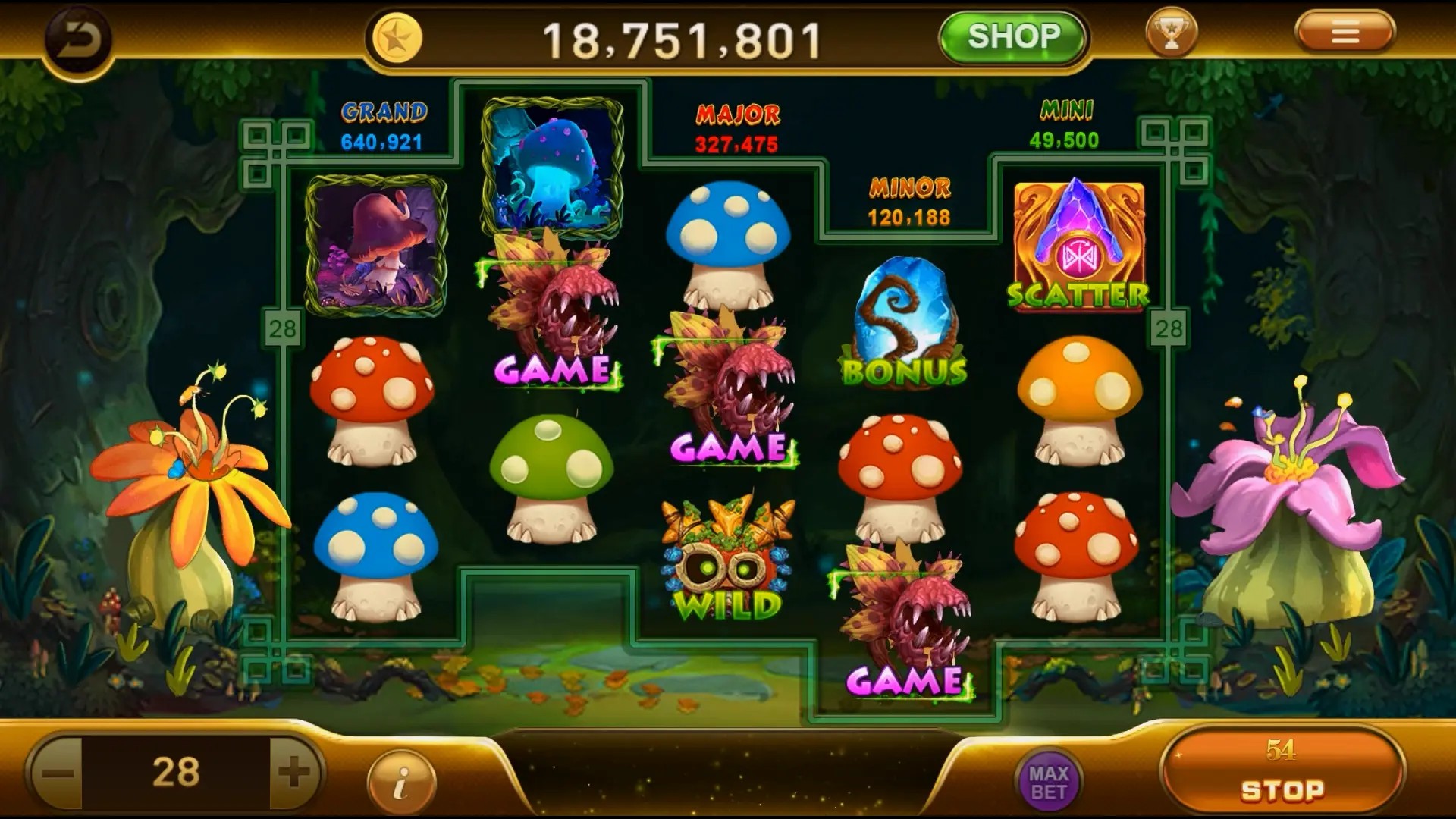
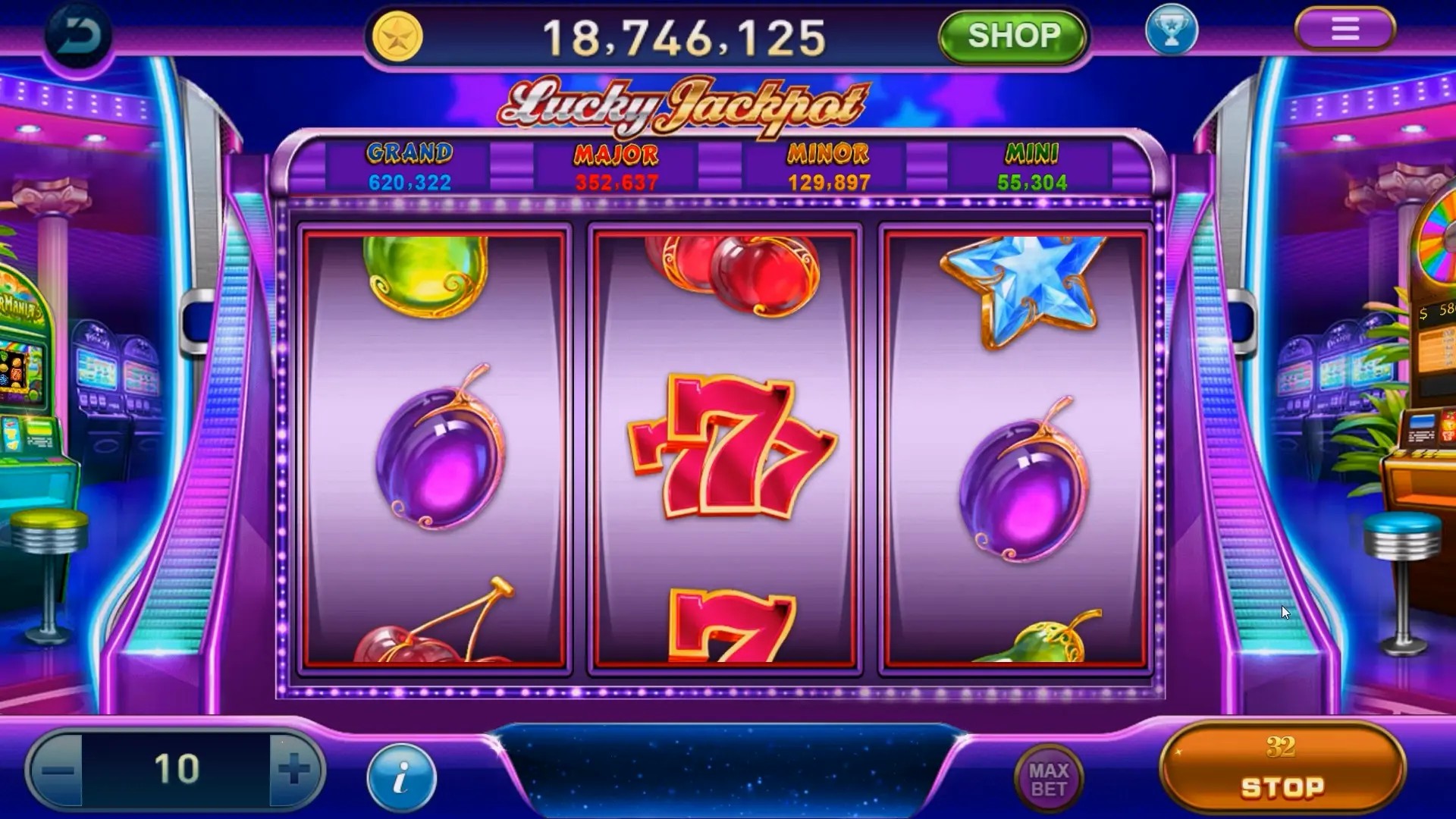
You'd expect the sheer simplicity of this gaming subculture meant less profit per user than others. But nothing could be further than reality today. While not charging outright fees like standard indie games, successful click-driven models implement incredibly sophisticated ad delivery algorithms alongside tiered subscription unlocks that out-earn many free-to-play action titles launched in 2024. Consider:| Revenue Strategy Model | % Use Within Leading Free Clicker Titles | |- |- | Ad-Supported Rewarded Videos | Nearly universally deployed | In-Game Currency Systems | Used strategically in half of Top Ten | Seasonal Events With Limited Time Skins/Upgrades | Growing segment – especially with UAE market testing new gifting functions tailored around religious festivals | Premium Monthly Pass Features | Increasing usage pattern |



Negative Perceptions? They're Starting To Vanish Fast
Of course, skepticism lingers among hardcore fans who find “real gaming" defined only via intense boss fights or elaborate puzzles requiring skill. And yet—even critics are being drawn into experimentation lately. Several big name streamers from the Middle East have taken note after stumbling across unusually sticky gameplay sessions with select idle titles designed for offline accumulation during sleep hours (*Zoo Planet Tap* being cited repeatedly among Arabic language influencer networks online last quarter). Once curiosity builds organically like that amongst niche gatekeepers—mainstream appeal usually arrives fairly quickly thereafter. More interestingly—as we discussed briefly earlier—is an unexpected educational twist gaining popularity among UAE-based schools exploring gamification methods in remote learning tools that borrow similar interface conventions. By leveraging repetitive reward triggers in math training programs specifically tailored toward elementary level education standards—students demonstrate increased retention and motivation rates when introduced with lessons formatted like progressive idle simulations (for example *TapMath Explorer 2*, piloted this spring in selected Sharjah public school curricula). So not just fun—or even money generators—but actual potential to reshape wider engagement practices in learning sectors worldwide? Now that’s something serious enough to demand more attention beyond typical genre debates.The Final Taps – What Lies Ahead?
We may laugh today, roll eyes at people tapping pixel cows to feed virtual cities… But history tells us that some of today’s strangest trends end up defining tomorrow’s mainstreams more completely than any multi-billion studio-backed release ever dared to try. The *clicking game explosion of 2025* proves two things conclusively:- Sometimes minimal is truly maximum—engagement wise, at least.
- No matter the technological evolution, people will always crave simple actions tied to gradual progress.
- In a world of AI-generated chaos and metaworld complexities—games built for minds seeking tiny, manageable bursts of satisfaction have carved an unmissable lane back towards cultural dominance in record speed.