Why Casual Games Are Revolutionizing Business Simulation Games: A New Era of Play
The gaming industry has witnessed a significant transformation over the past decades. While traditional gaming styles maintained a strong foothold, casual games have emerged as a potent force, merging effortlessly into various categories, including business simulation games. This article delves into the intersection of these two genres, explicating how casual games are reshaping the landscape of business simulations and what this means for players and developers.
The Rise of Casual Games
To understand the impact of casual games on business simulation games, it’s essential to grasp what casual games are. These games are user-friendly, often designed for short, engaging play sessions and attract a diverse audience. They break the traditional gaming mold, offering fun without the steep learning curve often associated with hardcore gaming.
Business Simulation Games: Definition and Overview
Business simulation games, on the other hand, focus on replicating real-world business environments, allowing players to manage resources, make strategic decisions, and simulate outcomes. They often appeal to those interested in entrepreneurship and management.
The Hybridization of Casual and Business Simulation Games
Casual games are finding their way into business simulation genres. Players are more willing to engage with these simulations when feel-good elements and straightforward gameplay mechanics are at play. So, how do these two form a union?
Engagement through Simplicity
One of the most significant benefits of incorporating casual games in business simulations is their ability to engage. Players can quickly learn the mechanics, making them more inclined to participate regularly.
Game Examples: Clash of Clans and Beyond
Take “Clash of Clans” as a prime example. Their builder base feature merges strategy with casual gameplay elements. Players construct and optimize platforms while engaging in community competitions, attracting a broader audience beyond traditional strategy enthusiasts. This is a vivid representation of how casual game features elevate the existing model.
A Focus on Social Interaction
Casual games often thrive on social engagement and competition. Business simulation games leveraging these similar traits create a vibrant community. This community aspect fosters loyalty and continuous engagement, driving game longevity.
Gameplay Mechanics That Encourage Replayability
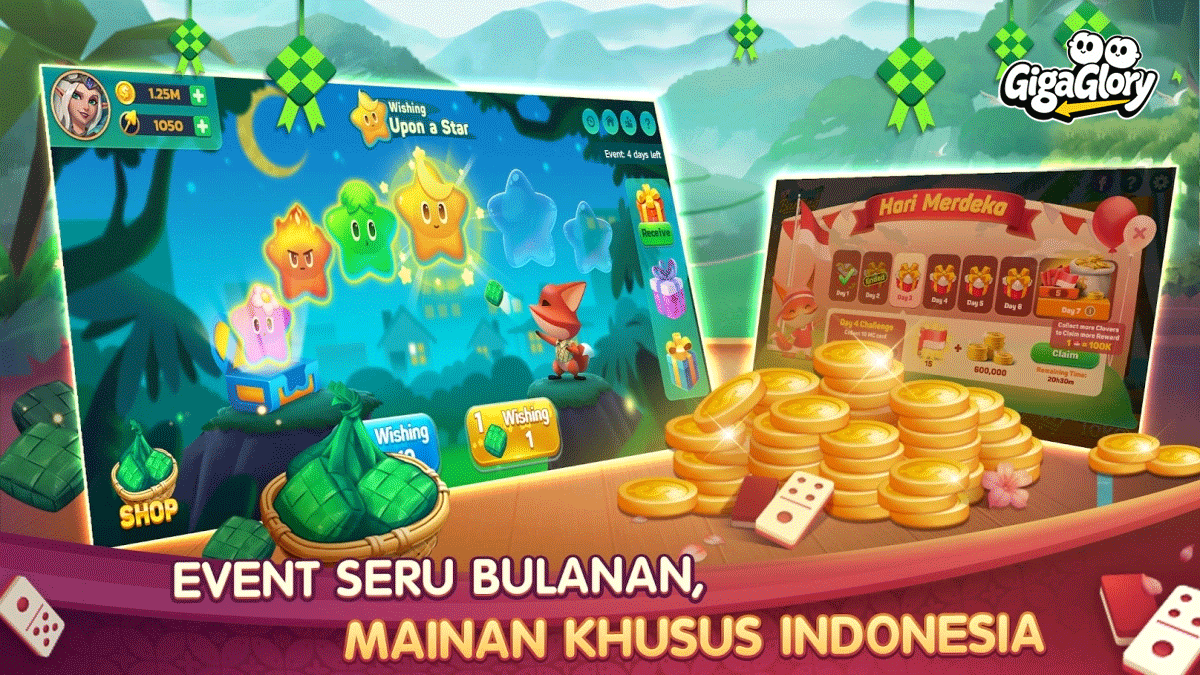
Successful casual games deploy mechanics that encourage repeat plays. Business simulations that mimic this strategy—such as daily rewards and challenges—can transform player retention rates and provide fresh content without exhausting the user.
The Visual Appeal of Casual Games
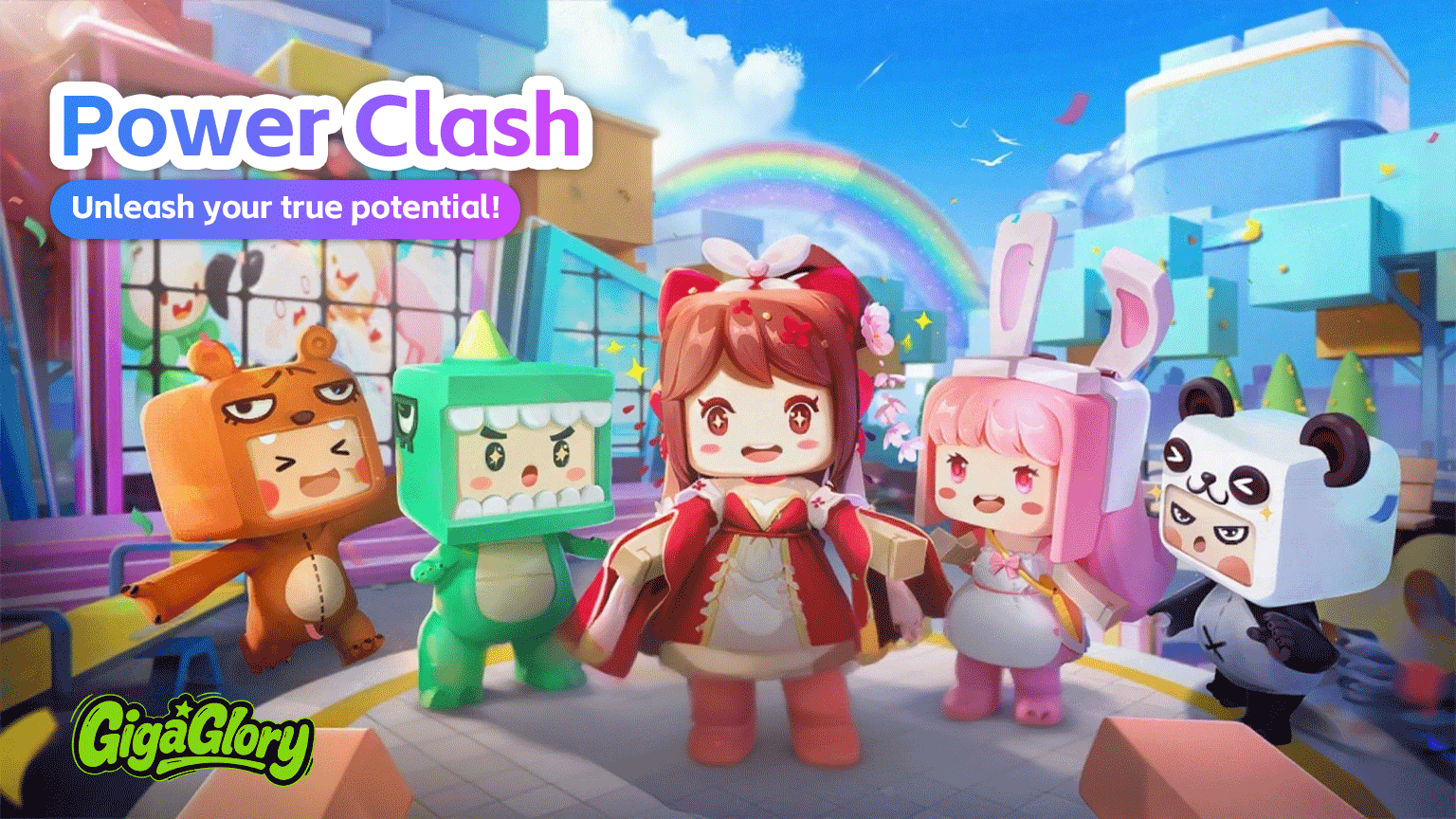
Casual games typically employ bright colors, quirky characters, and appealing aesthetics. Integrating these factors into business simulation games can make these simulations more approachable and fun.”
Learning through Play
With less pressure and a more relaxed atmosphere, players can learn about business fundamentals while enjoying themselves. This is where casual influences shine, converting serious themes into accessible lessons.
Market Trends: The Growing Popularity of Easy-to-Play Games
Market research indicates a growing preference for easy-to-play games. In a busy world, players gravitate towards products that fit easily into their schedules. This suits casual and simulation hybrid games well, as they can deliver instant gratification.
Player Demographics: Who is Engaging with These Games?
The demographics of casual gamers are notably diverse. Often crossing age and gender lines, this wide-reaching audience presents a captivating market for business simulation games intending to reach new players.
Key Benefits for Developers
For developers, understanding this shift opens new avenues for creating hybrid games. They can broaden their audience, increase player retention, and boost revenue streams. The integration of casual elements also allows developers to experiment with gameplay, keeping their offerings fresh and relevant in an evolving industry.
Table: Key Features of Casual vs. Business Simulation Games
| Feature | Casual Games | Business Simulation Games |
|---|---|---|
| Game Length | Short sessions | Longer strategy-based sessions |
| Complexity | Simple mechanics | Multifaceted mechanics |
| Player Demographic | Diverse | Targeted (often 18-34) |
| Engagement | High social interaction | Strategic decision-making |
Closing Thoughts: The Future of Gaming
As the lines between casual and business simulation games blur, a new frontier in gaming emerges. The evolution shapes how stories are told, how interactions take place, and even how industries can utilize games for educational purposes.
Conclusion
Ultimately, the marriage of casual games with business simulations signifies a promising and exciting era for both genres. Players benefit from a more engaging and educational experience, while developers have opportunities to attract and retain a broader audience. The future looks bright as we witness progressive changes and innovations that will continue to define the way we play — one casual game at a time.